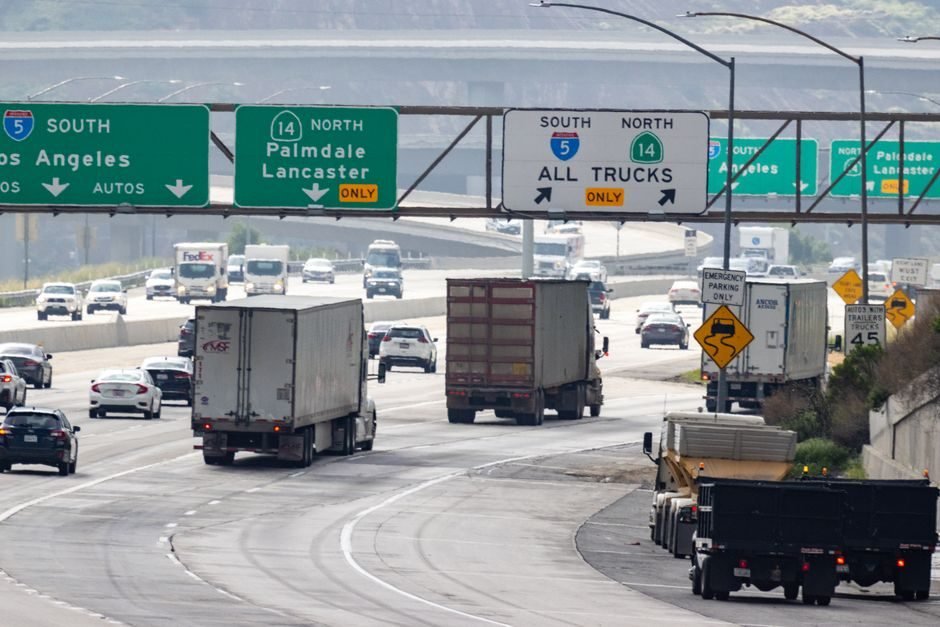
The era of driverless freight has taken a significant step forward in California. Aurora Innovation and Kodiak AI, two leading developers of autonomous trucking technology, have received official permits from the California Department of Motor Vehicles to test their self-driving trucks on the state's highways. This marks a crucial milestone in the commercialization of autonomous freight, bringing the industry closer to a future where long-haul trucking is increasingly handled by machines.
## Regulatory Progress and Industry Impact
The permits are the result of years of development and safety validation. Both companies have been testing their systems on closed tracks and in other states, but California's approval adds a new layer of credibility. The state's strict regulatory environment means that passing its safety review is a strong signal of technological maturity. For the trucking industry, this development could reshape logistics, reduce costs, and address the persistent driver shortage that has plagued the sector. However, it also raises questions about job displacement and the need for new infrastructure to support autonomous fleets.
Aurora and Kodiak have both emphasized a cautious, safety-first approach. Their vehicles are equipped with advanced sensor suites, including lidar, radar, and cameras, along with sophisticated AI algorithms that allow them to navigate complex highway scenarios. The companies plan to start with limited routes and gradually expand as data is collected. This incremental strategy is designed to build public trust and ensure that the technology is reliable before it becomes widespread.
## Looking Ahead
The approval is a clear sign that autonomous trucking is moving from experimental to operational. As these vehicles begin to share the road with human drivers, the lessons learned will inform future regulations and industry standards. For now, the focus remains on safety and proving that self-driving trucks can handle the demands of real-world freight transport. The coming months will be closely watched by logistics companies, policymakers, and the public alike, as California becomes a testing ground for the future of transportation.
Self-Driving Trucks Begin Official Highway Tests in California
Ad Space
TechnoVibes Opinion
This is a pivotal moment for autonomous freight, but the road ahead is long. While the permits signal technical progress, the real challenge lies in public acceptance and regulatory evolution. The industry must prove not only that these trucks are safe, but that they can integrate seamlessly into existing supply chains. If successful, this could revolutionize logistics, but a single high-profile incident could set the entire sector back years.
Original source: techcrunch.com

Comments
No comments yet.