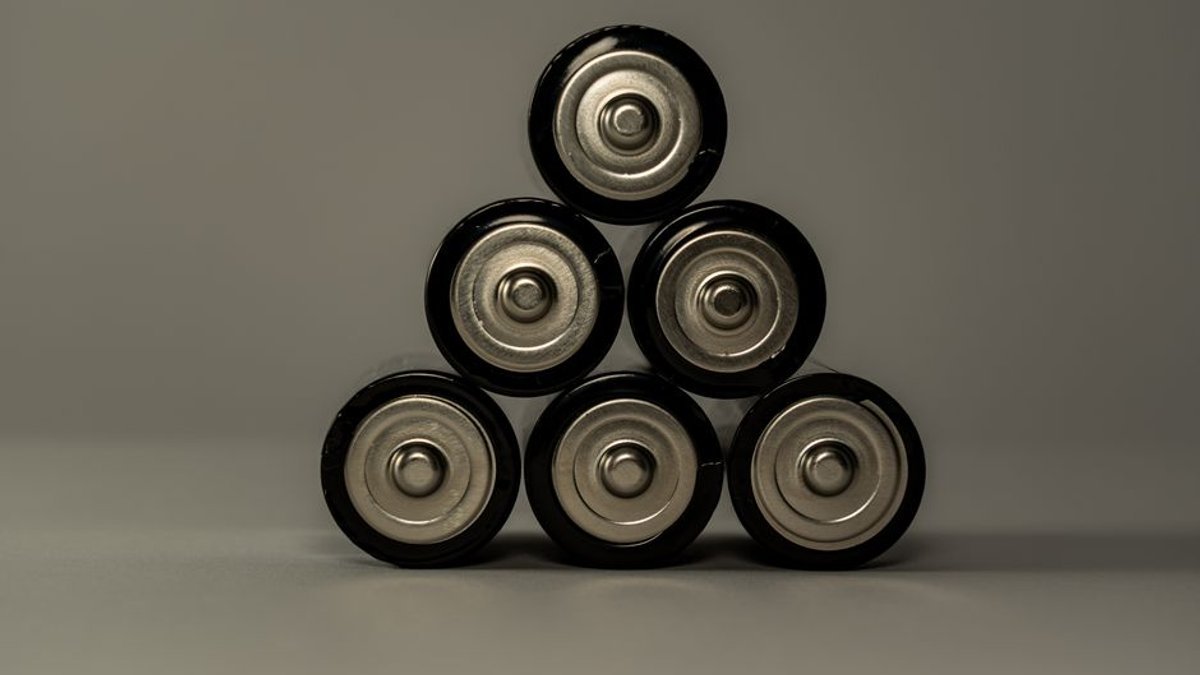
The Rise of DIY Battery Replacement
This trend is fueled by a combination of factors. First, the cost of new high-quality bike lights can be significant, often ranging from $50 to over $200. Replacing just the battery, which typically costs between $10 and $30, offers substantial savings. Second, environmental awareness is pushing consumers to repair rather than replace. Many bike lights use standard lithium-ion cells, such as the 18650 or 21700, which are readily available and relatively easy to swap with basic soldering skills. Online forums and YouTube tutorials have made the process more accessible, with step-by-step guides for popular models from brands like Cateye, Lezyne, and NiteRider.
Challenges and Considerations
Despite the benefits, battery replacement is not without challenges. Not all bike lights are designed for easy disassembly; some are sealed to maintain water resistance, and opening them can void warranties. Additionally, incorrect battery specifications or poor soldering can lead to safety hazards, including short circuits or fires. Manufacturers have responded with mixed approaches: some now offer replacement batteries as official accessories, while others continue to glue cases shut. The trend also highlights a broader shift in consumer electronics toward repairability, echoed by right-to-repair legislation in the EU and several US states.
As more cyclists embrace this DIY approach, the market for aftermarket batteries and repair services is likely to expand. For now, those willing to tinker can keep their lights shining longer while saving money and reducing waste. Staying informed about battery types and safe handling practices remains essential for anyone attempting this upgrade.

Comments
No comments yet.