OpenAI has taken a significant step toward broadening its ecosystem by launching a preview of the ChatGPT desktop application for Linux. The announcement, which surfaced through multiple tech outlets, marks the first time that the company’s flagship AI assistant and its Codex coding agent are available natively on the open-source operating system. This move is part of a wider push to meet developers and power users where they work, particularly those who rely on Linux for software development, server management, and research.
The Linux preview arrives at a time when OpenAI is aggressively expanding its product footprint. The company recently introduced a dedicated Work suite and has been iterating on Codex, its AI-powered coding assistant that can generate, review, and debug code directly in the editor. By bundling ChatGPT, Work, and Codex into a single desktop client for Linux, OpenAI is signaling that it sees the platform as a strategic priority rather than an afterthought.
## A strategic expansion for developers
For developers, the arrival of Codex on Linux is particularly notable. Linux has long been the preferred environment for serious coding work, and the ability to run an AI coding agent natively—without resorting to web browsers or virtual machines—removes a significant friction point. The preview version is expected to offer a familiar interface, with features such as conversation history, file uploads, and integration with the company’s API. Early adopters can download the app directly from OpenAI’s website, though the company has not yet specified a timeline for a full stable release.
The timing of this launch is also intriguing. Reports have emerged that OpenAI’s Chief Operating Officer, Brad Lightcap, is set to depart the company. While the Linux release is not directly tied to that leadership change, it underscores the company’s momentum and its focus on shipping new features even as its executive team evolves. The convergence of these two news items highlights how quickly OpenAI is scaling its operations and product lineup.
For the wider technology landscape, the Linux desktop app represents a notable validation of the platform’s importance. Microsoft and other major vendors have historically under-served Linux desktop users, but the rise of AI tools is changing that calculus. As more professionals use AI for coding, writing, and data analysis, the demand for native applications on Linux is likely to grow. OpenAI’s move could prompt competitors like Google and Anthropic to follow suit, potentially reshaping the desktop software ecosystem.
The preview is a clear signal that OpenAI is listening to its community. While it remains to be seen how polished the final version will be, the mere availability of ChatGPT and Codex on Linux is a win for users who have long felt overlooked by mainstream software vendors. As the company continues to iterate, Linux users can expect more updates and refinements in the coming months.
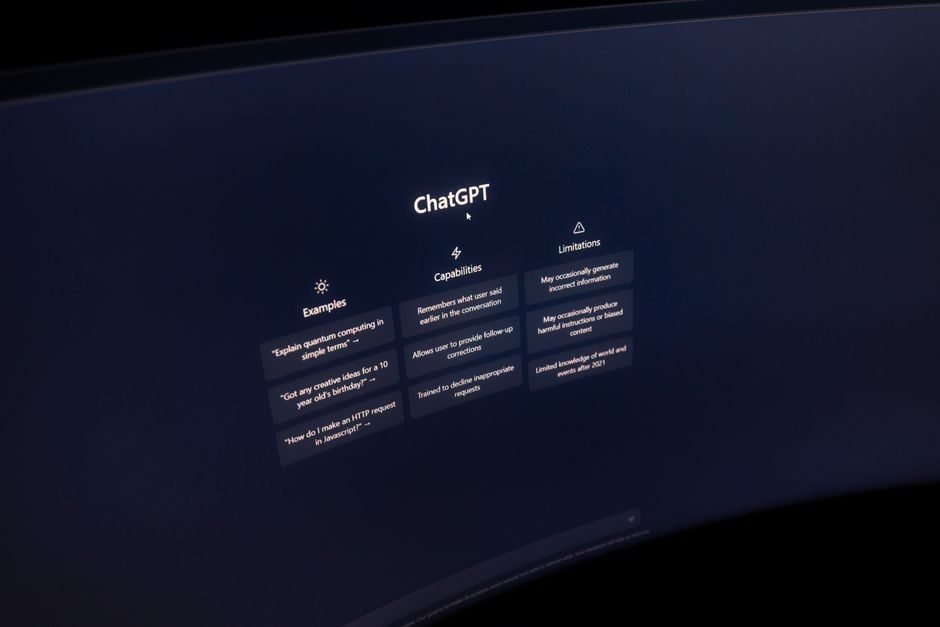
OpenAI Brings ChatGPT and Codex to Linux Desktop in Preview
Ad Space
TechnoVibes Opinion
OpenAI’s Linux launch is a smart strategic play that acknowledges the developer-centric reality of modern AI adoption. By bringing Codex to the platform, the company is not just expanding its user base—it is embedding itself into the daily workflow of the very people who build the future of software. This move could also pressure rivals to reconsider their own platform strategies, making Linux a more competitive battleground in the AI era.
Original source: https://news.google.com/rss/articles/CBMieEFVX3lxTE9lb3UyczRKYXRzWU5BN01KaDhPZmFRX0Q0bE1oUDhuRXJ0LWF4bVlXdTRib2p0dmNaLUFWc2hUd0pnOHJoUHkwTUg5ZkZ6Zzg5T3VXRVB2RjVFRlZCeS1RWjZhb29YQzJXSFdjWmpjNEJ6TnZBQU1KZNIBfkFVX3lxTFBTTHdhbGp2WndEbmFUNkNvZkR2MlBpcEd3dEQydUotTzlkN01Sa2tBVzEwMnhTTDZ4NHp5dk84Q3hFU0JNVlA3RE80eDVwclJ1dUlyRHRvQU1BejM1cmk2aWtmSC1VSTNyZkFOMm5vZTd4N2F3T3VoSFhIRzFGQQ?oc=5


Comments
No comments yet.