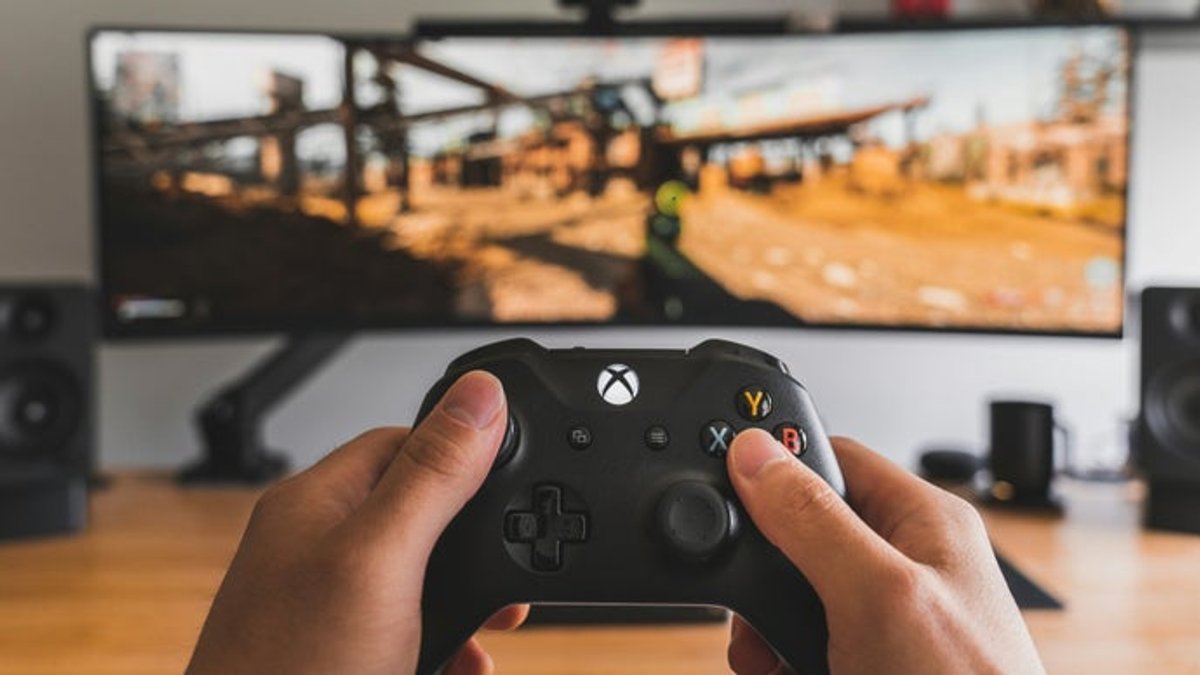
What the Patent Covers
According to the patent, the ad-credit system would show ads and announcements in a way that doesn't interrupt the flow of the game. This could mean non-intrusive placements such as loading screens, in-game billboards, or other seamless integrations. The system is designed for both PC and Xbox platforms, indicating Microsoft's intention to unify its advertising strategy across devices.
Potential Player Rewards
While the patent does not specify exactly what ad-credits can be redeemed for, the term "credit" implies that players might earn some form of reward for viewing ads. This could range from in-game currency, discounts on games or DLC, or even subscription benefits. Microsoft has not confirmed whether the system will be implemented, but the patent filing shows the company is exploring monetization avenues beyond traditional game sales and subscriptions.
Industry Context
The gaming industry has seen a growing interest in advertising as a revenue stream, especially with the rise of free-to-play titles and subscription services like Xbox Game Pass. Microsoft's patent comes amid broader discussions about how to balance monetization with player experience. Rival platforms like Sony's PlayStation and Nintendo have also experimented with ads, but Microsoft's approach appears focused on minimizing disruption.
What's Next
As with any patent, there is no guarantee that the technology will make it to market. Microsoft has not commented on its plans for the ad-credit system. However, the filing provides insight into the company's thinking about future revenue models in gaming. If implemented, it could change how players interact with ads on PC and Xbox, potentially offering a trade-off between viewing ads and earning rewards.
In summary, Microsoft's ad-credit patent outlines a system to deliver ads without interrupting gameplay, hinting at a possible future where players are compensated for their attention. While details remain scarce, the move underscores the evolving landscape of gaming monetization.

Comments
No comments yet.