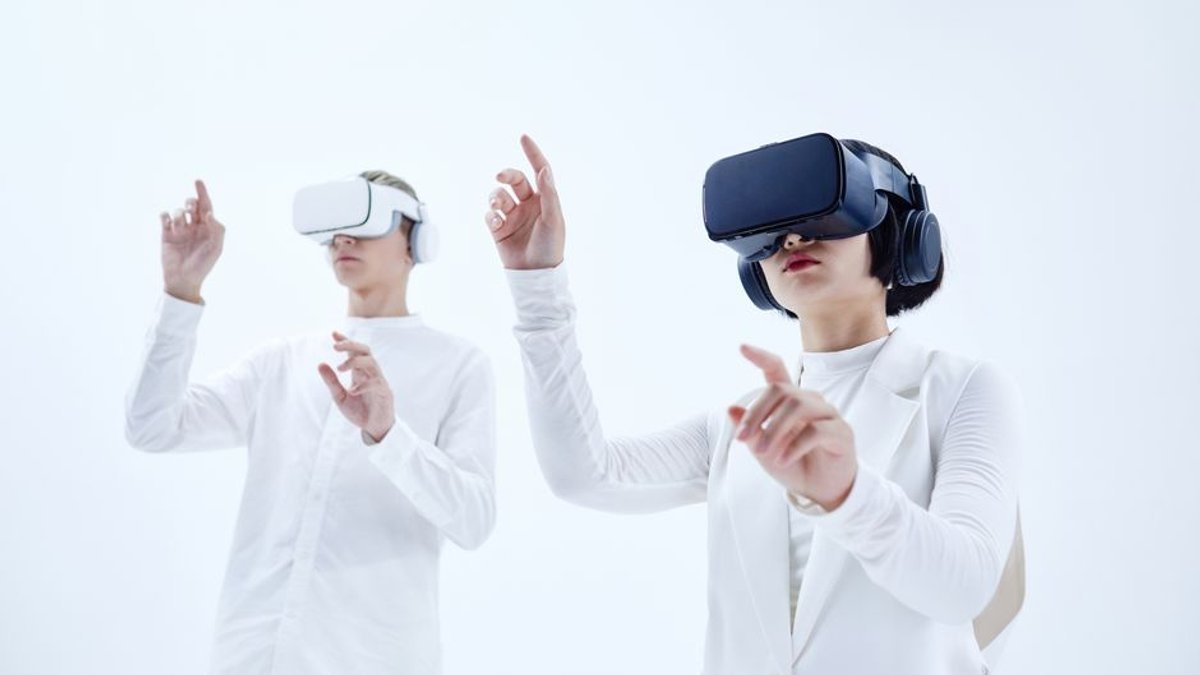
A Headset That Stopped Looking Like a Headset
The shift is architectural, not cosmetic. The Verge frames the announcement bluntly, noting that Meta's next VR device is not a headset at all but glasses. That distinction matters because it changes where and when mixed reality can realistically be used. A device that fits in a jacket pocket and looks unremarkable on a face removes much of the social friction that has kept VR confined to living rooms and dedicated play spaces.
CNET's first impressions compare the hardware to a tiny Quest while raising a sharper question: could this be a Vision Pro you can actually take outside? The comparison is deliberate. Apple's headset established a premium benchmark for spatial computing, but its weight, price and tethered-feeling experience limited daily adoption. Meta's glasses appear designed to attack exactly those weaknesses.
Camera-Free Option Answers the Privacy Question
WIRED highlights a second, quieter announcement: a camera-free variant aimed squarely at what the outlet calls the "Meta Creep" problem. Smart glasses with outward-facing sensors have triggered discomfort in public spaces, from gyms to restaurants. Offering a model without cameras gives privacy-conscious buyers a way into the ecosystem without the awkward conversations.
Pricing at $1,299 places the glasses firmly in premium territory, above Meta's mainstream Quest line but below the entry point of high-end spatial computing rivals. Combined with a Spring 2027 launch window, the company is signaling a long runway rather than a rushed holiday release, leaving time for developers to build software around the form factor.
Why the Timing Matters
The broader wearable market has been consolidating around lighter, always-on devices. Meta's decision to move its flagship VR hardware into a glasses silhouette suggests the company believes the headset era is closing. Whether buyers agree will depend on battery life, field of view and app support, details that will surface as the 2027 launch approaches.
For now, the announcement reframes the question the industry has been asking since 2024: not how powerful mixed reality can be, but how ordinary it can become. Follow TechnoVibes for pricing updates, developer reaction and early impressions as Meta's VR glasses move toward release.


Comments
No comments yet.