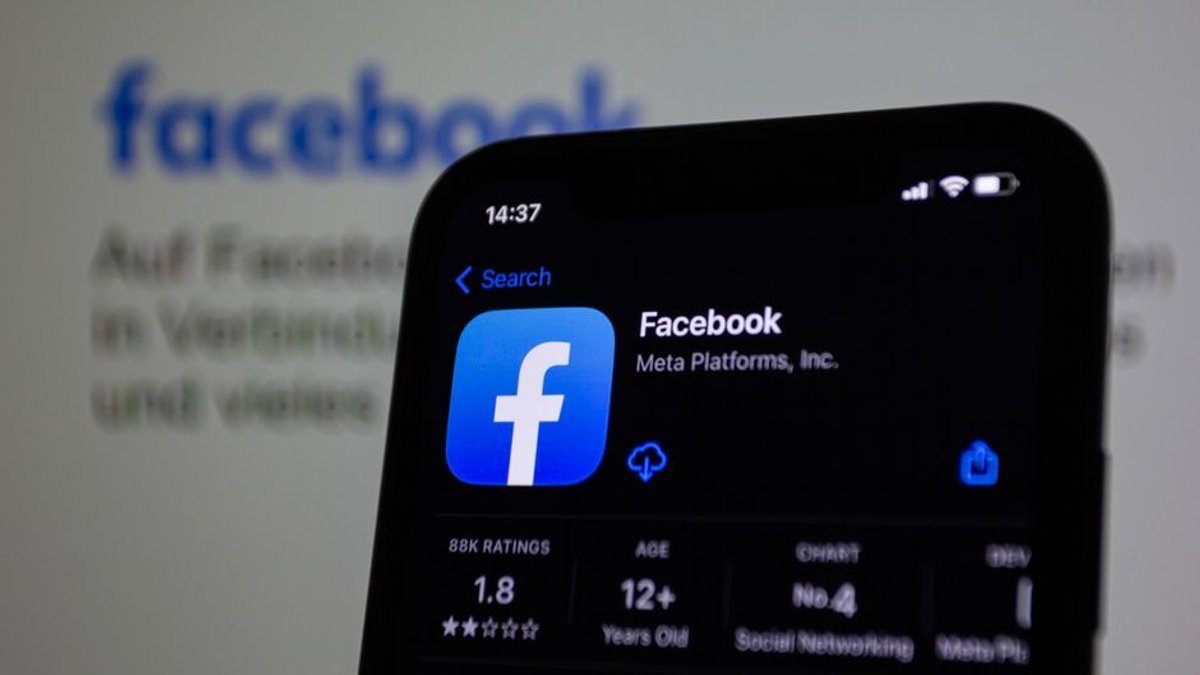
Meta Platforms has agreed to pay $16.7 billion to resolve a sweeping lawsuit brought by California and dozens of other states accusing the company of fueling social media addiction among young users. The settlement, one of the largest in tech history, sent ripples through the market as Meta's stock initially rose on relief that the case was resolved, then wavered as analysts digested the scale of the payout.
A Landmark Agreement With Far-Reaching Implications
The lawsuit, which consolidated claims from multiple states, alleged that Meta's platforms, including Facebook and Instagram, were designed to be addictive and contributed to a youth mental health crisis. While Meta has consistently denied wrongdoing, the company chose to settle to avoid a protracted legal battle and the uncertainty of a trial. The $16.7 billion figure, reported by CNBC, is slightly lower than the $18 billion mentioned in some earlier reports, reflecting the final negotiated terms.
Investors reacted cautiously. Barron's noted that the stock rose on the news, while Investor's Business Daily highlighted that shares wavered as the market weighed the settlement's impact on Meta's cash reserves and future legal exposure. Jim Cramer, the well-known market commentator, sent a strong message to Meta investors, advising them to focus on the company's core business strengths rather than the one-time legal cost.
The settlement marks a pivotal moment for the tech industry, potentially setting a precedent for how platforms address issues of user addiction and mental health. For Meta, the payment, while substantial, represents a manageable portion of its annual revenue, allowing the company to move past a significant legal hurdle and refocus on its strategic priorities, including artificial intelligence and the metaverse.
As the dust settles, the tech community will be watching closely to see if other social media companies face similar actions and how Meta's stock performs in the coming months. The settlement underscores the growing regulatory and legal pressure on big tech, but also demonstrates that companies can navigate these challenges with their market positions largely intact.


Comments
No comments yet.