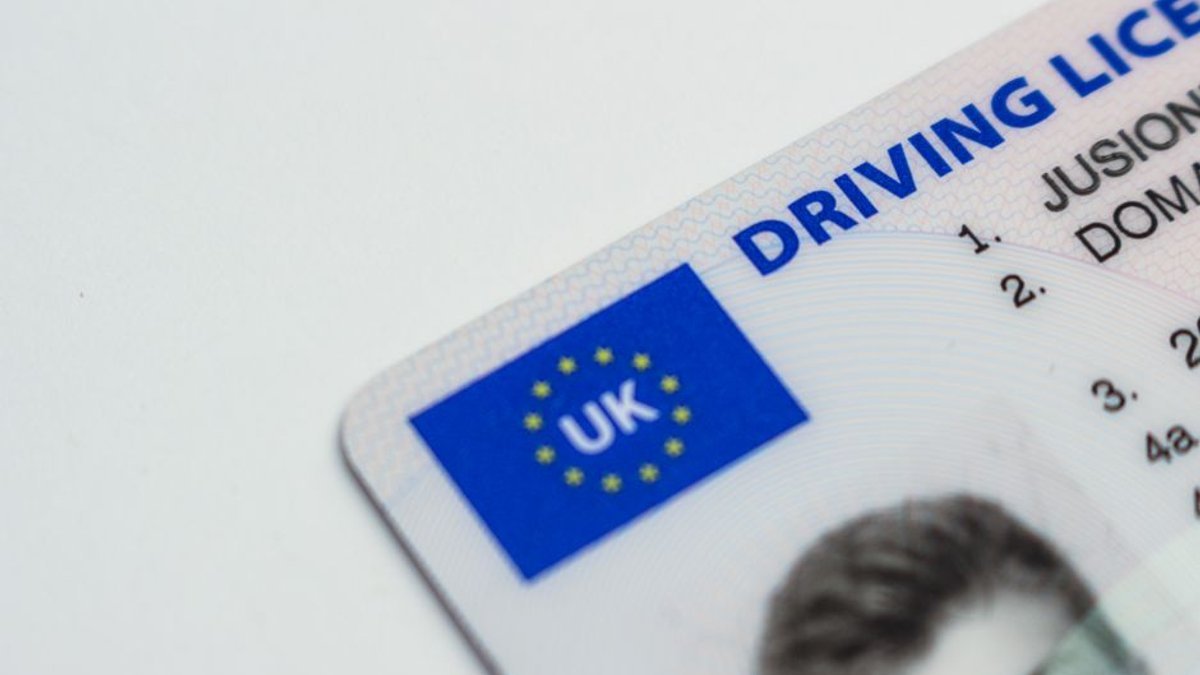
In a startling development that has sent shockwaves through the cybersecurity community, an identity theft search site has claimed to have obtained more than 150 million driver's license photos from a major ID verification service. The criminal platform, which has since been taken offline, reportedly advertised the stolen data, underscoring the growing threat to personal identification systems worldwide.
The sheer scale of the alleged breach—150 million records—would make it one of the largest identity-related data exposures in recent history. Driver's license photos are particularly sensitive because they are often linked to other personal data, such as names, addresses, and dates of birth, making them prime targets for fraud and identity theft.
How the Breach Occurred
While authorities and the affected ID verification service have not yet confirmed the breach officially, cybersecurity experts are analyzing the claims. The identity theft search site, which has now disappeared, suggested that the data was exfiltrated from a third-party verification provider—a common vector in modern cyberattacks. Such services often hold vast repositories of sensitive documents, making them attractive targets for hackers seeking bulk data.
The lack of an official statement from the ID verification service has left many questions unanswered. Security researchers are urging consumers to remain vigilant and monitor their financial accounts and credit reports for any suspicious activity.
Implications for Privacy and Security
If the claim is verified, the impact could be devastating. Driver's license photos can be used to create fake IDs, open fraudulent accounts, or bypass biometric security measures. This incident highlights the critical need for robust data protection measures, including encryption, access controls, and regular security audits.
Moreover, the breach raises concerns about how third-party vendors handle sensitive personal information. Many companies rely on ID verification services to comply with know-your-customer (KYC) regulations, but this incident shows that those services can themselves become points of failure.
What Consumers Should Do
Until more information is available, individuals are advised to take proactive steps to protect themselves. This includes enabling two-factor authentication on all accounts, using identity theft protection services, and regularly reviewing credit reports for unauthorized inquiries. It is also wise to be cautious of phishing attempts that may exploit the breach to trick victims into revealing more personal information.
Conclusion
The reported theft of 150 million driver's license photos serves as a stark reminder of the vulnerabilities inherent in digital identity systems. As investigations continue, both companies and consumers must prioritize security to prevent such massive data losses in the future.
Massive Breach: 150 Million Driver's License Photos Reportedly Stolen from ID Verification Service
Ad Space
TechnoVibes Opinion
This incident underscores a systemic weakness: trusting third-party ID verification services with massive amounts of sensitive data without ensuring airtight security. It's a wake-up call for regulators and companies to enforce stricter data protection standards and for individuals to assume their data is always at risk.
Original source: techcrunch.com

Comments
No comments yet.