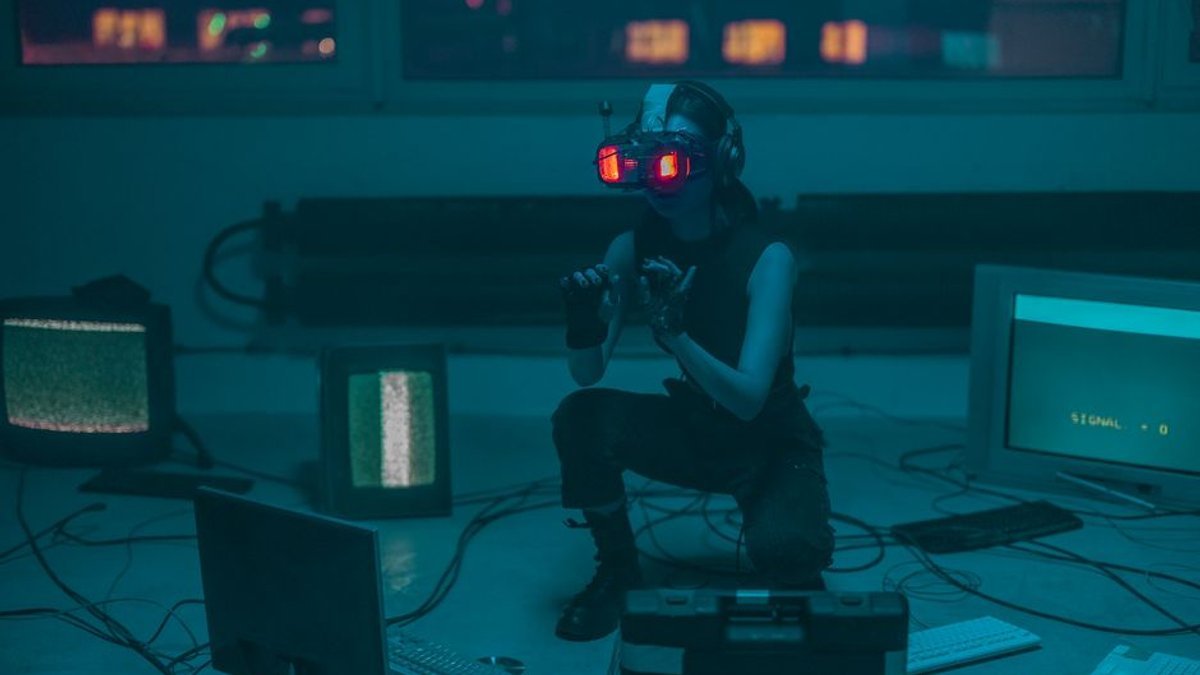
The Making of a Digital Twin
The process involved capturing the author's likeness and voice, then feeding the avatar with information about venture fraud. Although specific tools and platforms were not disclosed, the result was an interactive AI that could engage in conversations on a complex and sensitive topic. This hands-on approach allowed the author to explore firsthand the capabilities and limitations of current AI cloning technology.
Training the Avatar on Venture Fraud
Venture fraud is a nuanced subject that requires an understanding of legal, financial, and ethical dimensions. The author trained the avatar to discuss these aspects, likely using a combination of scripted responses and machine learning. The avatar's ability to handle such discussions demonstrates how AI can be tailored to specialized domains, but it also highlights the risk of spreading misinformation if the training data is flawed.
Mixed Feelings About AI Clones
Despite the technical achievement, the author expressed mixed feelings. On one hand, AI clones can preserve knowledge, enable asynchronous communication, and even provide companionship. On the other, they blur the line between human and machine, raising concerns about consent, privacy, and the potential for deepfakes. The author's ambivalence reflects a broader societal debate about how far we should go in replicating ourselves.
As AI continues to advance, the line between our digital and physical selves will only blur further. This experiment serves as a reminder that while we can create digital avatars, we must carefully consider the ethical and emotional consequences. The author's mixed feelings are a call to approach AI cloning with caution and critical reflection.

Comments
No comments yet.