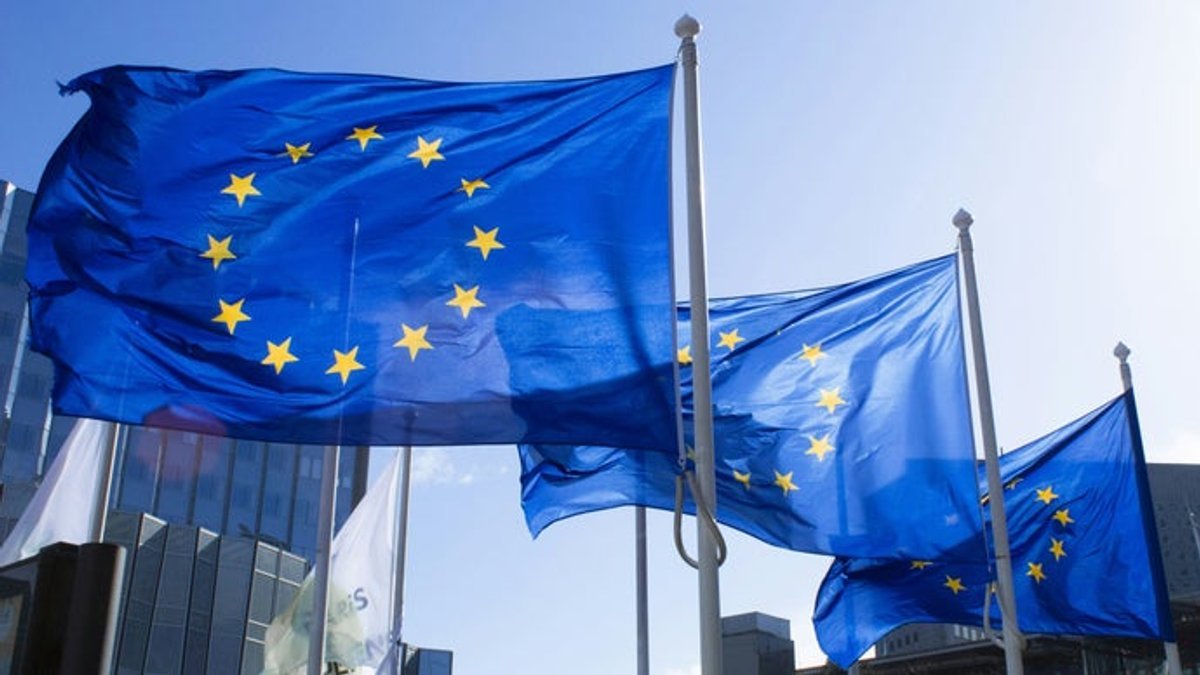
Scope of the Proposed Rules
If approved, the regulations would apply to all online games sold within EU territories. The definition of 'online games' in the draft is notably broad, potentially encompassing everything from popular platforms like Roblox to the multiplayer components of traditionally disc-based games. This expansive interpretation could bring a wide array of interactive experiences under the regulatory umbrella, from casual mobile titles to complex PC and console games with online features.
Restrictions on Common Features
The draft introduces substantial restrictions on common online functionalities. While specific details remain undisclosed, the measures could impact features such as in-game chat, user-generated content, multiplayer interactions, and social elements. For games like Roblox, which rely heavily on user creation and social engagement, the implications could be particularly profound, potentially requiring significant adjustments to how these platforms operate within the EU.
Age-Based Provisions and Ambiguity
The most controversial age-related stipulations—a ban for under-13s and restrictions for under-15s—currently apply only to social networks and video-sharing platforms. However, the broad definition of online games raises questions about whether certain gaming environments might be classified similarly, especially those with social features. The lack of clarity on the exact definition and the timeline for approval or implementation adds uncertainty for developers and publishers.
Industry Implications
Game developers and publishers operating in the EU may need to reassess their compliance strategies. The potential need to implement age verification, content moderation, and parental controls could increase operational costs and alter user experiences. Smaller studios might face disproportionate challenges, while larger platforms like Roblox could set precedents for adaptation. The absence of details on penalties for non-compliance further complicates planning.
The EU KIDS Act draft represents a pivotal moment for online gaming regulation. As the proposal moves through the legislative process, stakeholders will closely monitor developments. The final scope and specific requirements will determine how deeply the rules reshape the digital play landscape across Europe.

Comments
No comments yet.