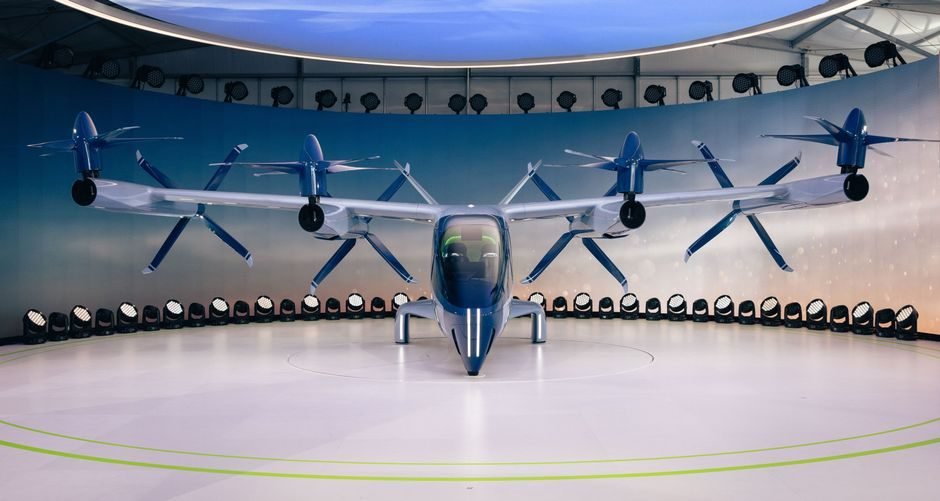
The race to make electric air taxis a mainstream reality is entering a new phase, one defined less by bold promises and more by pragmatic recalibration. Over the past year, several leading startups in the urban air mobility space have quietly revised their commercial launch timelines, citing regulatory hurdles, battery limitations, and the need to build public trust. The result is a sector that is maturing, even as it navigates turbulence.
## A New Flight Path for Certification and Rollout
Certification remains the single biggest bottleneck for electric vertical takeoff and landing (eVTOL) aircraft. Regulators in the United States and Europe are still working through the safety frameworks needed to approve these novel machines for passenger service. Companies are adapting by engaging earlier and more deeply with authorities, sharing test data, and refining their aircraft designs to meet evolving standards. This collaborative approach is slowing some timelines but is also reducing the risk of costly redesigns later.
Battery technology is another critical factor. Current energy densities limit the range and payload of eVTOLs, making short urban hops the most viable initial use case. Startups are investing heavily in next-generation cells and thermal management systems, while also exploring hybrid configurations that could extend range. These technical constraints are shaping route networks, with operators planning to connect city centers to airports and suburban hubs first.
Public acceptance is the third pillar. Noise, safety perceptions, and the visual impact of low-flying aircraft are all concerns that companies must address. Several operators are running demonstration flights in partnership with cities, offering residents a firsthand look at the technology. Early feedback suggests that transparency and community engagement are proving more effective than marketing campaigns in building support.
The shift in flight paths is not a retreat but a strategic adjustment. By focusing on certification, battery improvements, and community relations, the industry is laying the groundwork for a more sustainable and credible entry into urban skies. As these efforts converge, the promise of electric air taxis is moving from hype to a carefully plotted reality, with the first commercial routes likely to appear in the next few years.
Electric Air Taxis Reroute: What's Next for Urban Flight
Ad Space
TechnoVibes Opinion
The recalibration of eVTOL timelines is a healthy sign for an industry that once overpromised. The real test will be whether companies can maintain investor confidence while navigating certification and infrastructure challenges. Those that prioritize safety and community trust over speed will likely emerge as the long-term leaders in urban air mobility.
Original source: techcrunch.com

Comments
No comments yet.