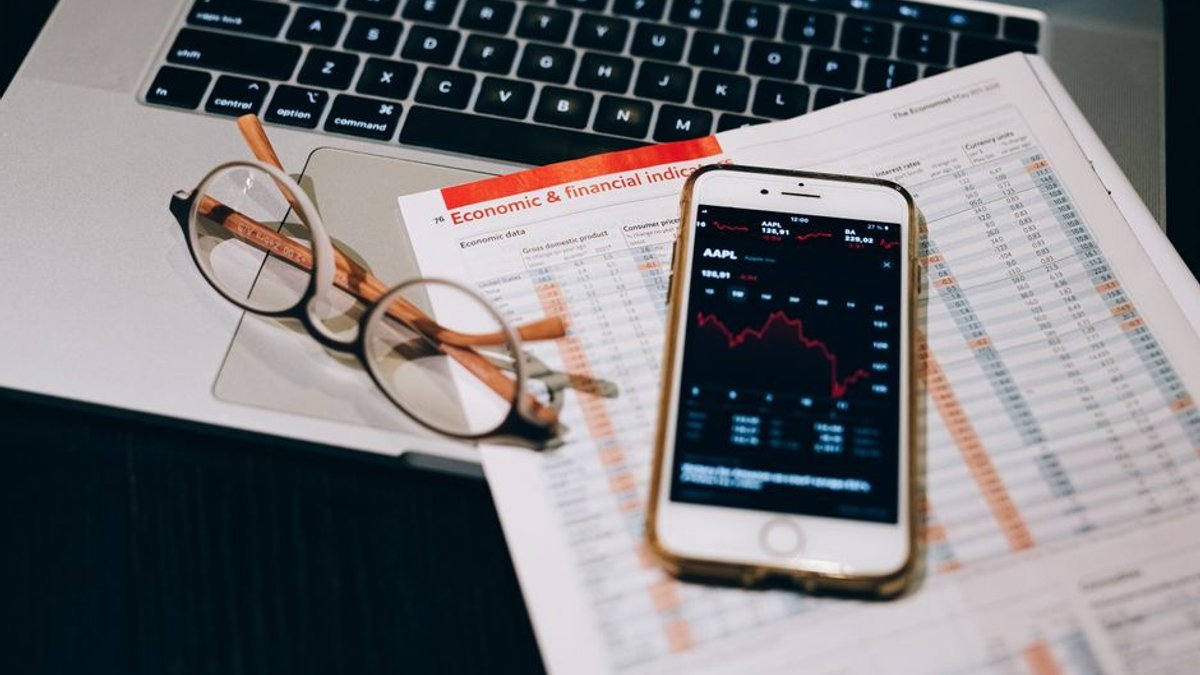
When Apple Cards first appeared, few observers treated them as more than a tidy interface experiment tucked inside the company's software. Fifteen years on, that modest feature looks like an early blueprint for the services-driven Apple of today. The company's stock has just set a fresh 52-week high at $341.07, a milestone that reflects how thoroughly recurring revenue has reshaped the business.
From Interface Experiment to Services Engine
The original Apple Cards concept revolved around presenting timely, contextual information in a compact card format rather than burying it inside separate apps. That design philosophy eventually fed into Wallet, Apple Pay, Apple Card, and a widening set of subscription products. Each of those services deepened the relationship between the user and the iPhone, turning a hardware purchase into an ongoing commercial tie.
That shift matters because services carry higher margins than devices and generate predictable cash flow. Investors have rewarded the strategy accordingly, pushing the stock to $341.07 and marking a new 52-week peak. The number is not just a headline figure; it signals confidence that Apple can keep monetizing its installed base of well over a billion active devices.
The card metaphor also proved portable. Notifications, transit passes, boarding documents, and loyalty programs all adopted the same visual language, which reduced friction for users and made Apple's ecosystem stickier. Competitors have since borrowed heavily from that approach, confirming how influential the original idea became.
Why the Origin Story Matters Now
Revisiting the Apple Cards origin story is timely because the company is again leaning on software to justify its valuation. With hardware upgrades increasingly incremental, services revenue and the Apple Card franchise have become central to the growth narrative. The 52-week high at $341.07 underscores that Wall Street is watching those lines closely.
For developers and product teams, the lesson is durable: small, well-executed interface decisions can compound into platforms. Apple Cards began as a presentation choice and ended up shaping how millions of people handle money, tickets, and identity every day. That trajectory explains why the anniversary is drawing renewed attention across the technology press.
What happens next depends on how Apple extends the card model into new categories, from health records to digital identity. Given the momentum behind its services segment and the stock's fresh peak, the next chapter of this fifteen-year story is likely to be watched as closely as the first.

Comments
No comments yet.