The Quality Conundrum
Early AI image generators were notorious for mangled hands, nonsensical text, and a glossy, overly-smooth aesthetic that instantly marked an image as machine-made. While models like Midjourney, DALL-E 3, and Stable Diffusion have improved dramatically, the gap between AI output and professional human design remains. For musicians, AI-generated album covers and promotional posters often lack the nuanced storytelling that resonates with fans. As MusicRadar notes, so-called "ethical AI" tools are emerging to address copyright and consent issues, but they still struggle to replicate the intentionality of a human artist.
The Economic Disruption
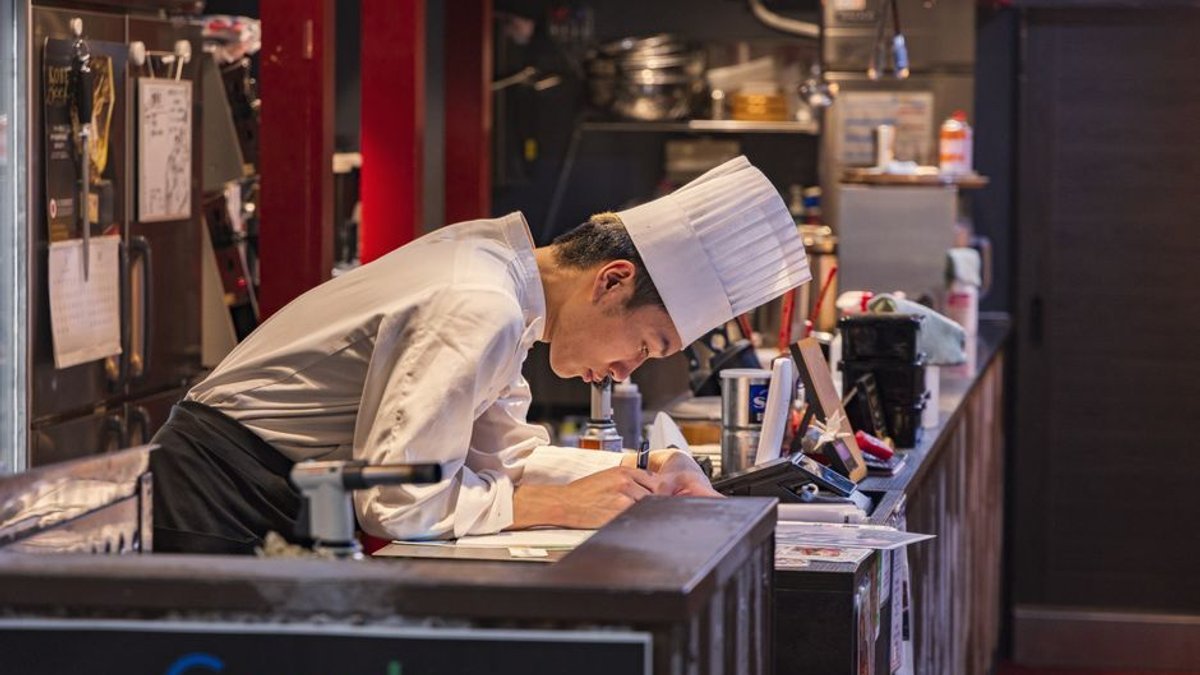
In the restaurant industry, AI-generated ads are becoming a free alternative to professional photography and graphic design. Westword reports that some establishments are using AI to create mouth-watering food imagery without hiring a photographer or paying for stock images. This cost-saving trend raises uncomfortable questions about the future of creative professionals. If a local pizzeria can generate a perfect-looking ad for free, what happens to the freelance designer who once charged $500 for that same work? The economic pressure is real, and it's pushing some creators to adapt by offering AI-augmented services rather than competing head-on.
Toward a New Creative Synthesis
The most promising path forward isn't AI versus human, but AI as a collaborative tool. Designers are using generative models for rapid ideation, then refining outputs with traditional skills. Musicians are experimenting with AI for mood boards and concept art, while still commissioning human artists for final covers. This hybrid approach preserves artistic integrity while leveraging AI's speed and cost efficiency. The key is transparency: audiences increasingly want to know when AI is involved, and creators who disclose their process are building trust.
As AI image tools continue to evolve, the conversation is shifting from "can AI make art?" to "how should we use it responsibly?" The next 12 months will likely bring clearer industry standards, better ethical AI frameworks, and a sharper distinction between AI-assisted and AI-generated work. For now, the smartest creators are treating AI as a powerful assistant—not a replacement.
Comments
No comments yet.